Optimal Timing for Camera Installations
Understanding the optimal timing for camera installations can enhance coverage effectiveness and reduce operational disruptions. Weather conditions, lighting, and property activity levels are key factors influencing the best time to install security cameras.
Installing cameras during mild weather seasons minimizes installation challenges and ensures equipment durability.
Optimal lighting during dawn or dusk can improve camera footage quality, making early morning or evening installations advantageous.
Scheduling installations during periods of low activity reduces disruptions and allows for easier setup.
Avoiding extreme weather conditions like heavy rain, snow, or high winds ensures safety and equipment integrity.
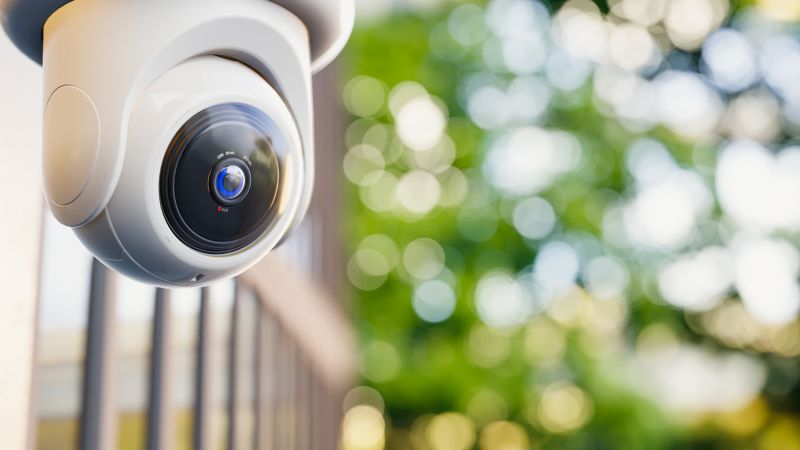
Ideal for outdoor camera setups, ensuring safety and equipment longevity.
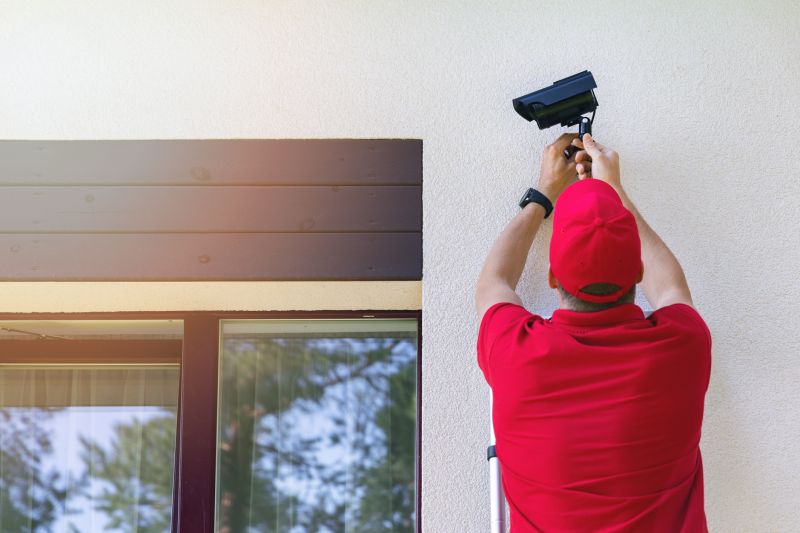
Utilizes low-light conditions for testing camera effectiveness in darkness.
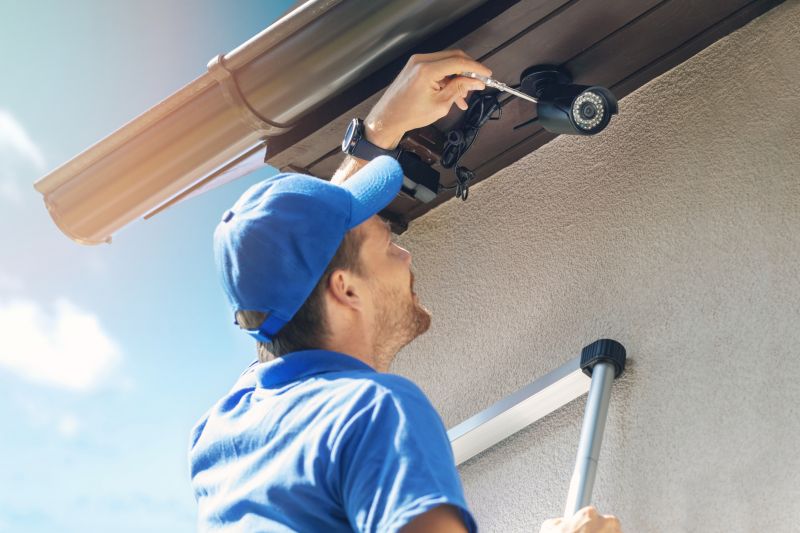
Installing during low activity times minimizes disruptions.
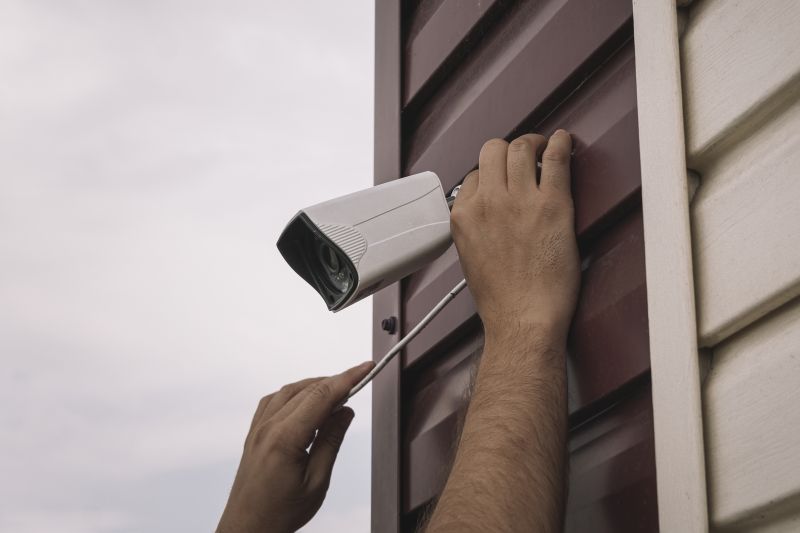
Spring or fall often provide optimal weather for outdoor camera setups.
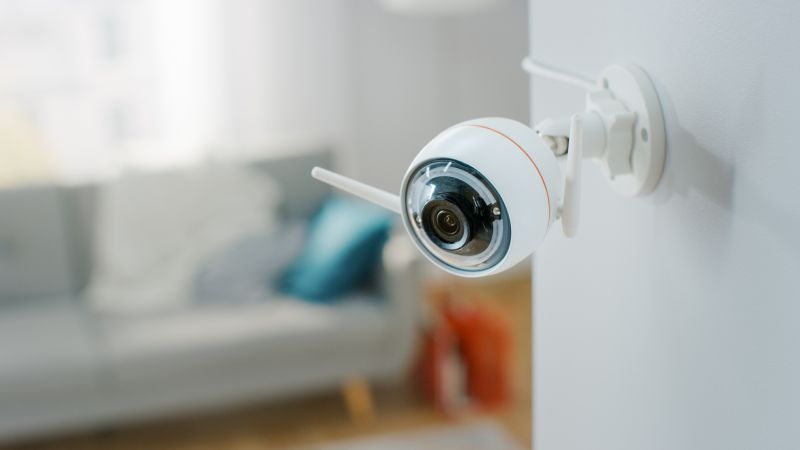
Ways to make Camera Installations work in tight or awkward layouts.
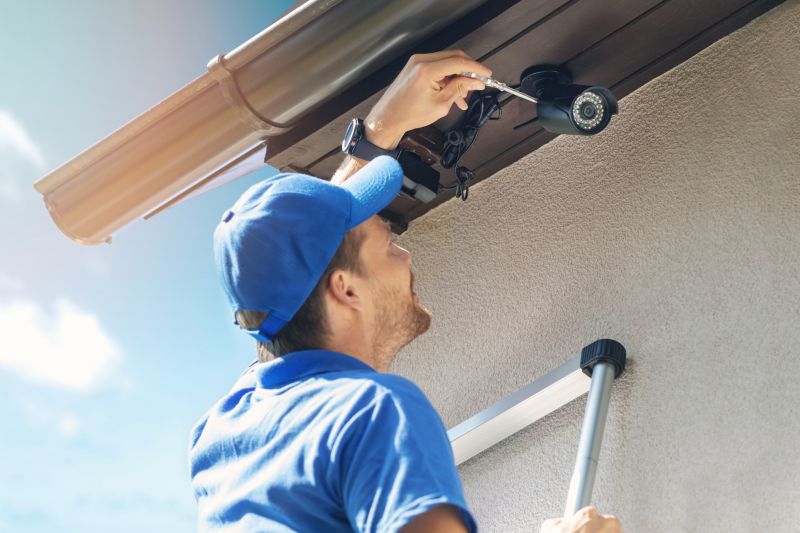
Popular materials for Camera Installations and why they hold up over time.
Simple add-ons that improve Camera Installations without blowing the budget.
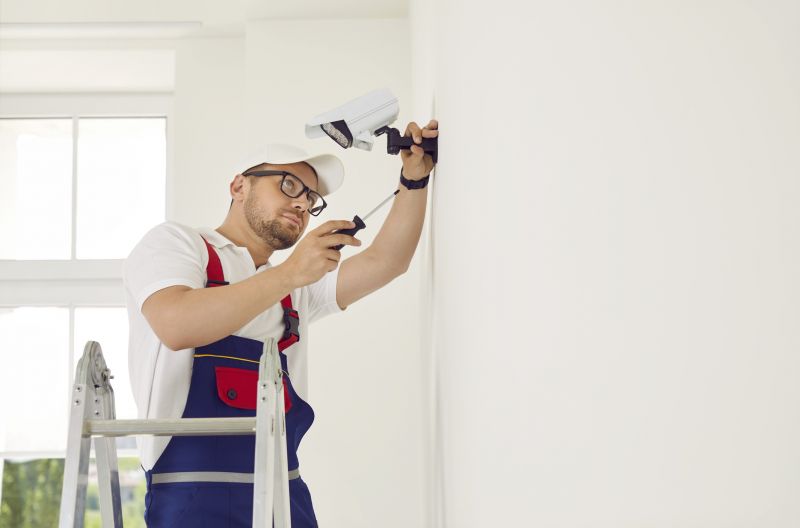
High-end options that actually feel worth it for Camera Installations.
| Factor | Best Timing |
|---|---|
| Weather Conditions | Mild weather seasons, avoid storms |
| Lighting | Dawn or dusk for better footage |
| Property Activity | Low activity periods |
| Temperature Extremes | Avoid very hot or cold days |
| Daylight Hours | Longer days for outdoor work |
| Season | Spring and fall preferred |
| Time of Day | Mid-morning to early afternoon |
| Weekdays vs. Weekends | Weekdays often less busy |
Proper timing for camera installations ensures optimal performance and safety. Planning installations during favorable weather and low activity periods reduces the risk of delays and equipment issues. Accurate scheduling can also improve footage quality, which is essential for effective security monitoring.
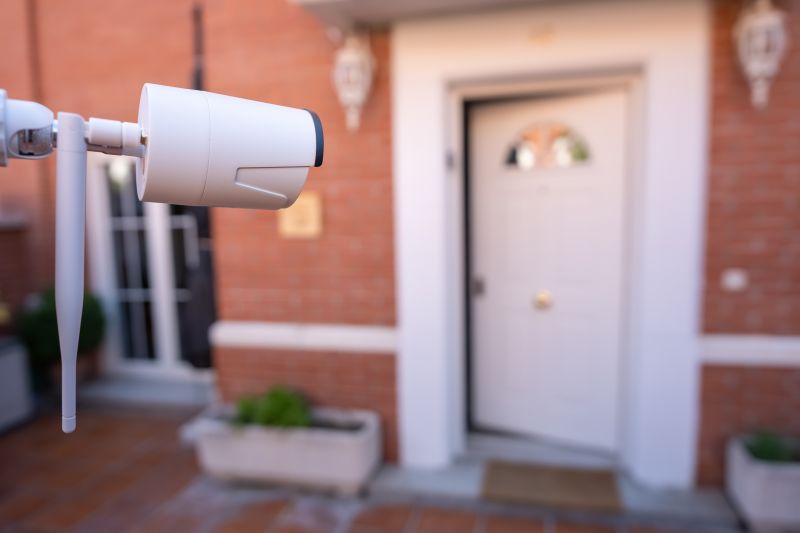
Best performed during mild weather for durability.
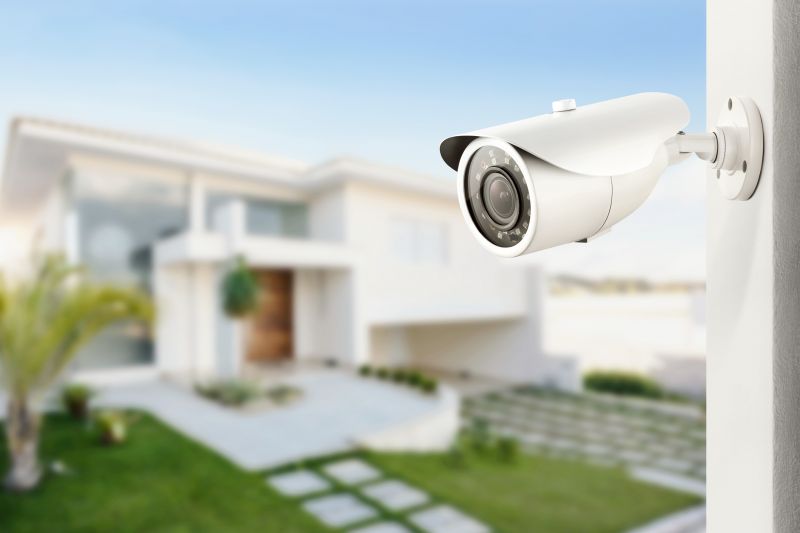
Flexible timing, often during off-peak hours.
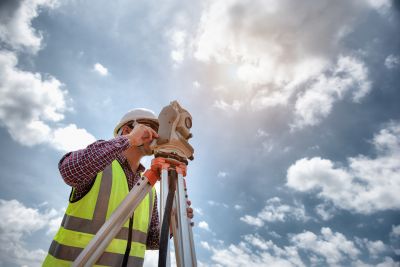
Conducted in good lighting conditions for accuracy.
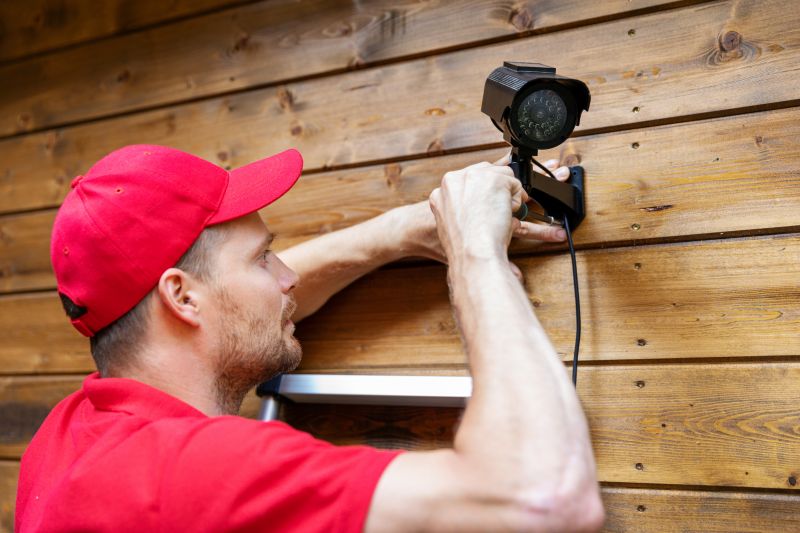
Optimal after initial setup for adjustments.
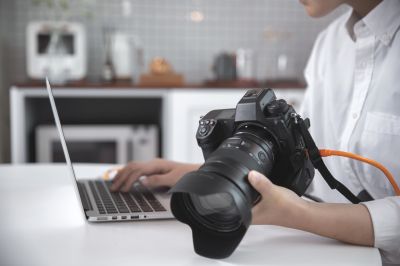
Finishes and colors that play nicely with Camera Installations.
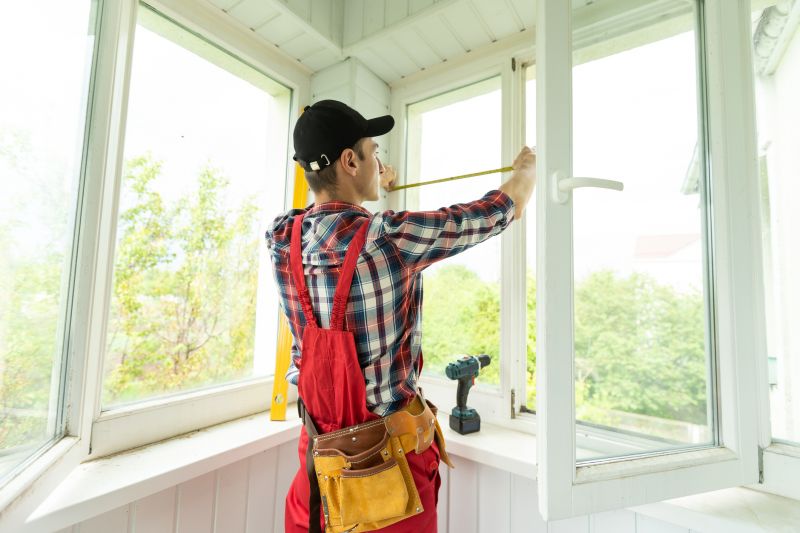
Little measurements that prevent headaches on Camera Installations day.
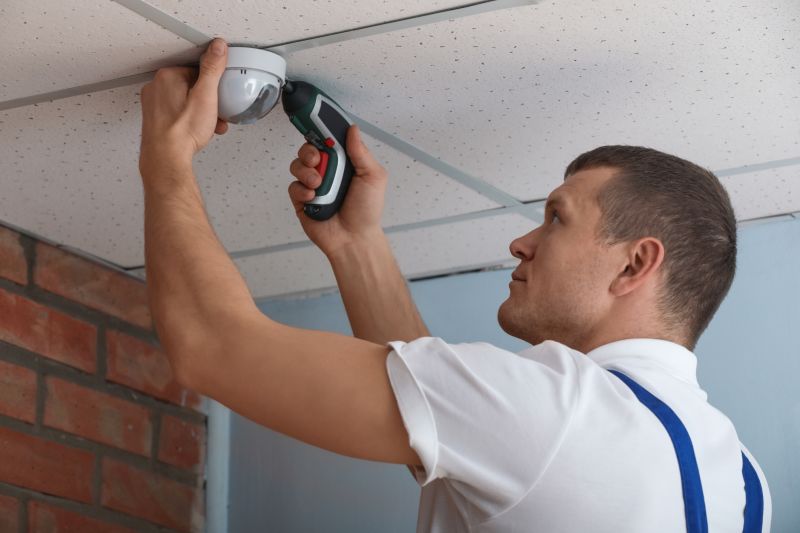
A 60-second routine that keeps Camera Installations looking new.
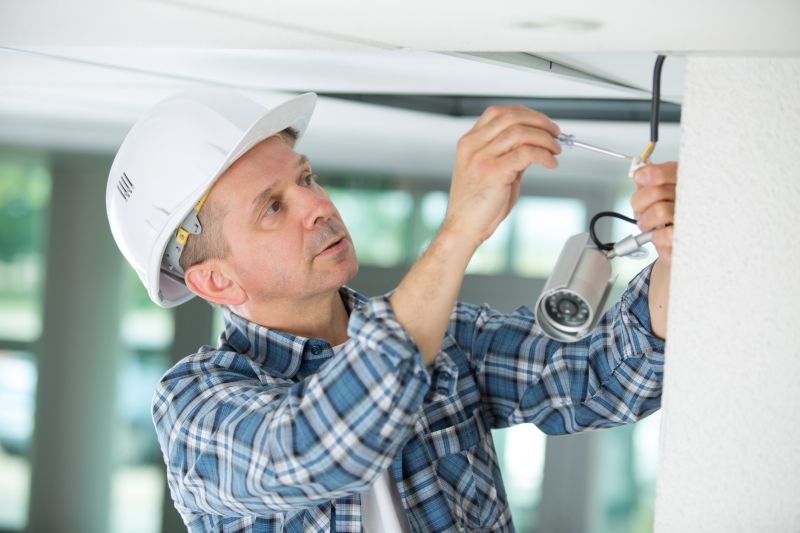
A frequent mistake in Camera Installations and how to dodge it.
Interested parties are encouraged to contact for scheduling or further information about camera installation services. Proper planning and timing can significantly enhance security coverage and system longevity.